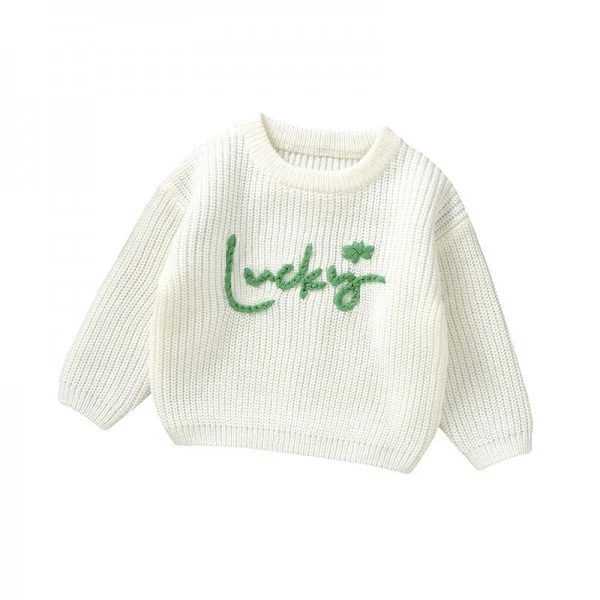
Start with the role of each product
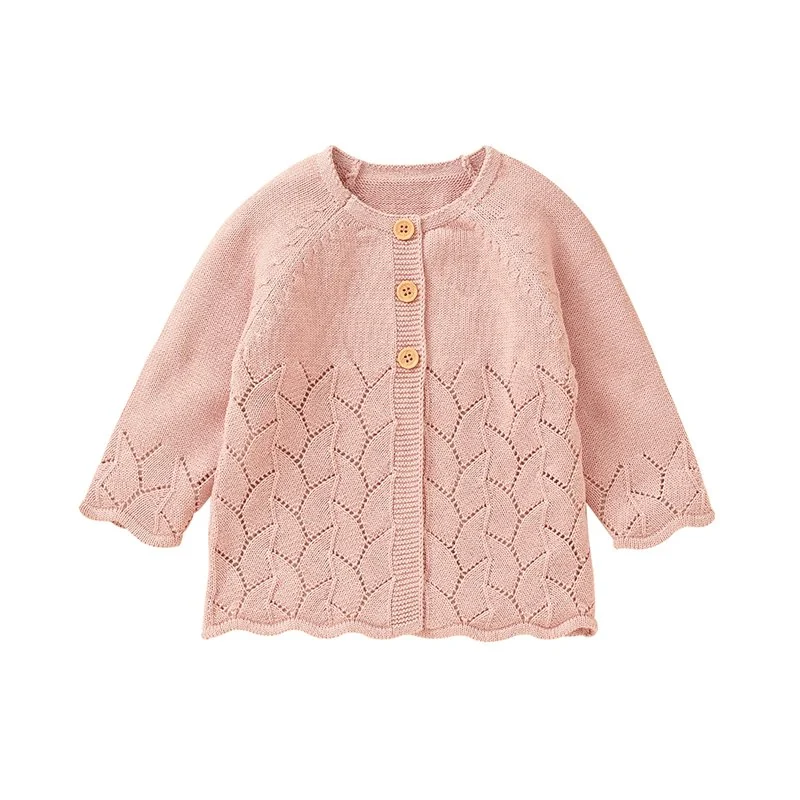
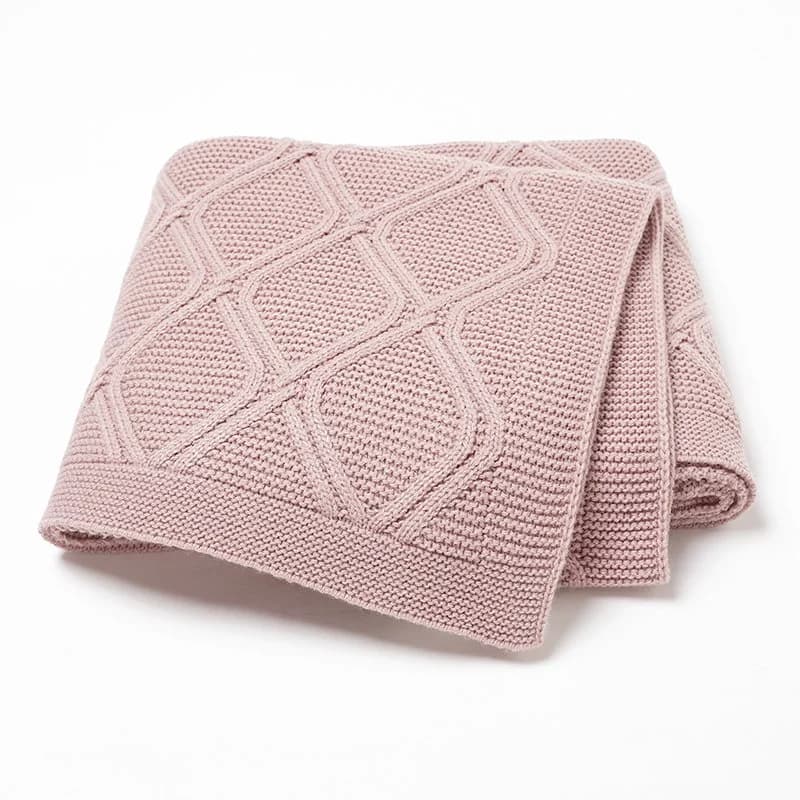
Choose a small group of styles that makes sense together before spreading your budget across a broad catalog. A collection might pair one cardigan with a coordinated set and a blanket, but the right mix depends on your customers and your own sales evidence. Write down the purpose of each style, its intended size range and whether it is a core piece or a trial. A visual theme alone does not explain the inventory commitment.
Build one row per size and color
Create a grid with style reference, size, color and requested quantity. Give each combination its own row, even when several rows belong to one style. Add separate columns for the supplier’s minimum, confirmed availability and quoted unit price once those are known. This structure makes missing combinations visible. It also prevents a total such as 100 pieces from concealing whether you mean 100 of one color or 100 spread across many sizes.
Use a worked example without treating it as a quote
Consider a hypothetical planning exercise: two styles, three sizes per style, two colors per size and four units per combination. Each style has six combinations and 24 units; together they total 48 units. If one combination changes from four to seven units, the total becomes 51. These numbers demonstrate the arithmetic only. They are not a Mimixiong minimum, accepted mixed-size order, stock commitment or recommendation about how many garments your store should buy.
Check minimums at every relevant level
Send the grid to the supplier and ask whether minimums apply to the whole order, each style, each color or another grouping. Ask whether the proposed sizes can be mixed toward a minimum. Record the answer beside the affected rows. If the supplier proposes a larger quantity, recalculate the entire assortment before agreeing. A change that looks small at style level can create a larger commitment when it applies independently to each color.
Compare cost and presentation together
Add confirmed sample, labeling, packing and transport charges separately from the garments. Compare complete order scenarios using the same currency and stated quotation terms. Think about how the assortment will be presented: a coordinated set may need different packaging from separate cardigans. Ask for the relevant sample and packing information before final approval. Do not assume that a matching color name across styles means identical yarn, appearance or care requirements.
Leave a clear record for repeat orders
Keep the approved grid and record which combinations you actually ordered. After the collection is offered, use your own sales and customer feedback to decide what to repeat or revise. Ask for a fresh quotation and availability check for a reorder; the first order does not establish continuing stock or unchanged minimums. Mimixiong reference products can be added to an enquiry with a proposed quantity, while the supplier confirms the practical order arrangement.
Your enquiry checklist
- Give every style a clear assortment role.
- List each size-and-color combination separately.
- Recalculate totals after minimums or quantities change.
- Keep confirmed costs and a repeat-order record.
Explore the next little step
Explore baby clothingExplore matching setsExplore blanketsFROM READING TO YOUR NEXT COLLECTION
Bring your questions. We’ll start there.
Include your reference styles, size and color quantities, and delivery destination. Prices, minimums, samples and timing are confirmed for your specific enquiry.
Prepare an enquiry