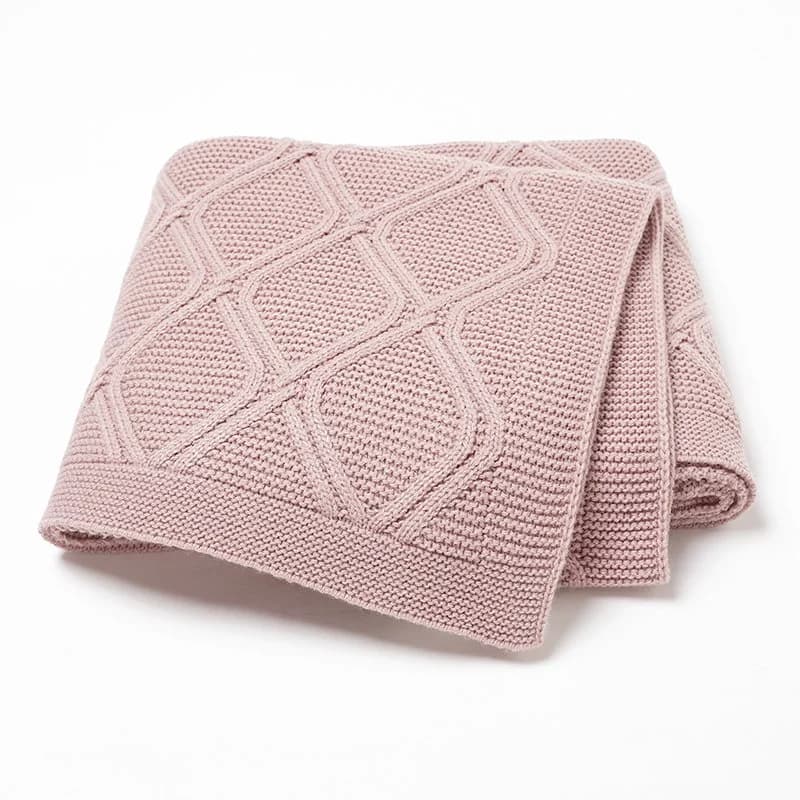
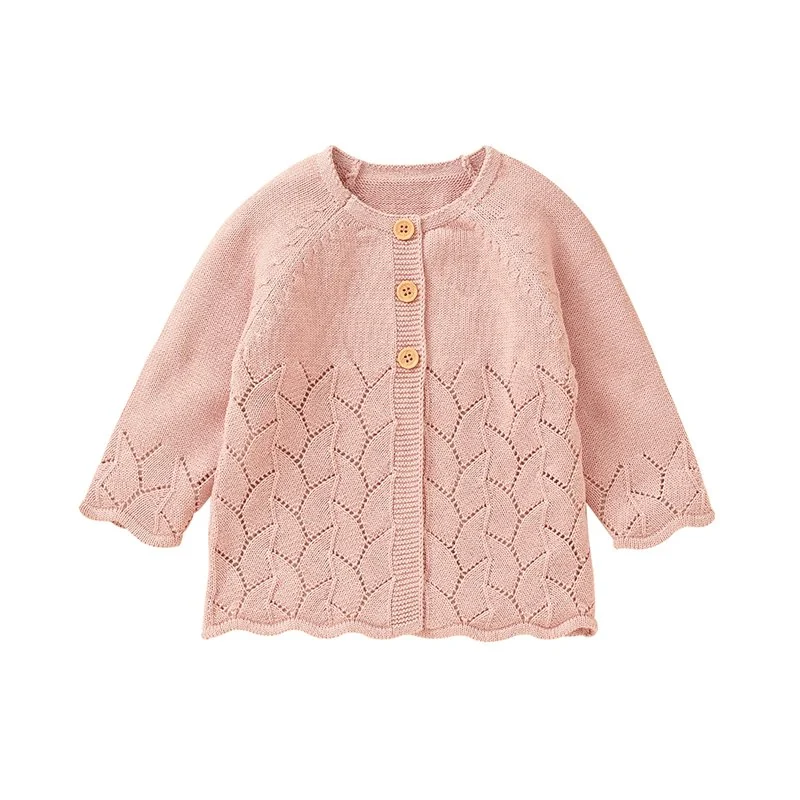
Give each style a clear role
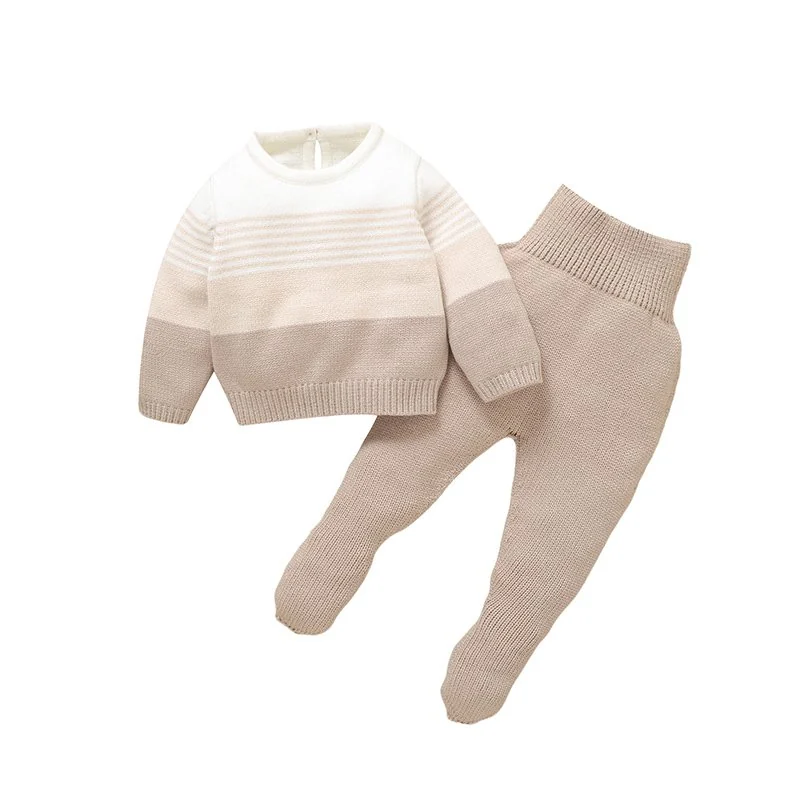
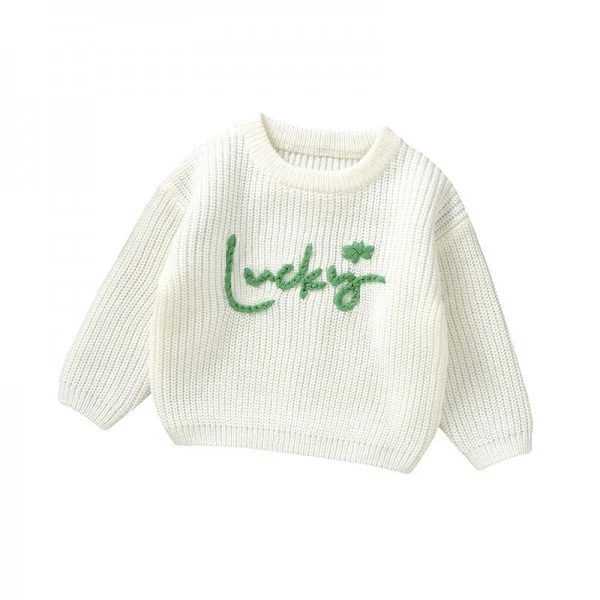
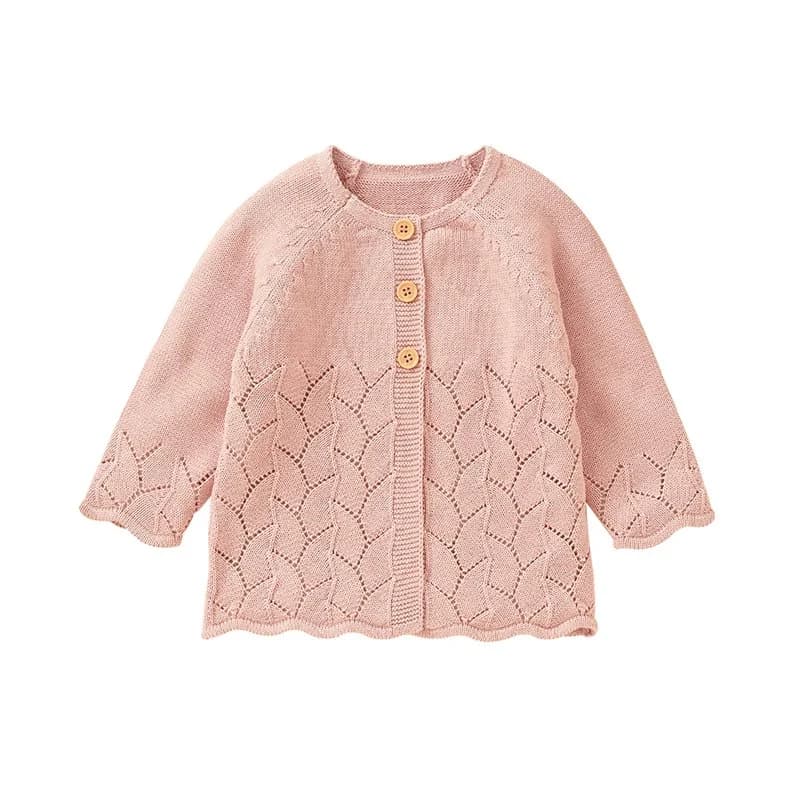
A cardigan is a separate upper-body layer, while a romper joins the upper and lower body in one garment. That distinction changes how you plan a collection: a cardigan can coordinate with several bottoms, whereas a romper provides a complete clothing silhouette. Write down whether you are building coordinated separates, a small outfit range or an accessory-led collection. This gives the comparison a purpose before you choose colors or discuss the unit price.
Compare dressing access and fastening layout
Look at where each garment opens, how far the opening extends and which parts must move during dressing. For a cardigan, examine the front placket, neckline and sleeve openings. For a romper, inspect the neckline and any lower opening as separate details. Ask for clear front, back and inside photographs, then review the actual fasteners on a sample. A photograph of the front does not establish the construction or fastening specification.
Use different measurement points
For a cardigan, request garment length, chest width, sleeve length and relevant opening measurements. For a romper, add the body measurement points and leg dimensions needed to describe that exact pattern. Ask the supplier to show where the tape starts and ends. Do not compare a cardigan length directly with a romper length or assume that matching size numbers mean matching fit. Record the measurement method and agreed tolerances beside each measurement.
Check the knit, joins and finishing
Compare the stated fiber composition, knitting structure, seams, cuffs and hems. Inspect the inside of each sample and note how the placket or fasteners join the knit. Stretch in one area does not tell you how the whole garment will fit, and a soft feel does not identify the yarn composition. If you need two styles to coordinate, ask whether they use the same yarn specification and color reference rather than relying on similar photographs.
Plan sizes and colors independently
The reference cardigan and romper you shortlist may have different listed size ranges. Build a separate size-and-color grid for each style, then ask which combinations are available and how minimum quantities apply. A shared color name does not establish an identical shade across materials. Review physical references when coordination matters. Keep your first assortment focused enough that you can explain the role of each piece and compare the total commitment across both styles.
Turn the comparison into a sample request
Send the two product links with the sample sizes, preferred colors and questions you need answered. Ask for the exact composition, fastening details, measurement charts and care information for each proposed sample. Record what you approve separately for the cardigan and romper. Mimixiong reference styles are enquiry-led: current prices, availability, minimums and sample arrangements need confirmation. Your shortlist is a starting point for that discussion, and does not reserve the garments.
Your enquiry checklist
- Define the role of each garment in the collection.
- Request front, back and inside construction details.
- Compare separate measurement charts and size ranges.
- Confirm yarn, closures, colors and sample terms.
Explore the next little step
Explore baby clothingExplore coordinated baby setsFROM READING TO YOUR NEXT COLLECTION
Bring your questions. We’ll start there.
Include your reference styles, size and color quantities, and delivery destination. Prices, minimums, samples and timing are confirmed for your specific enquiry.
Prepare an enquiry