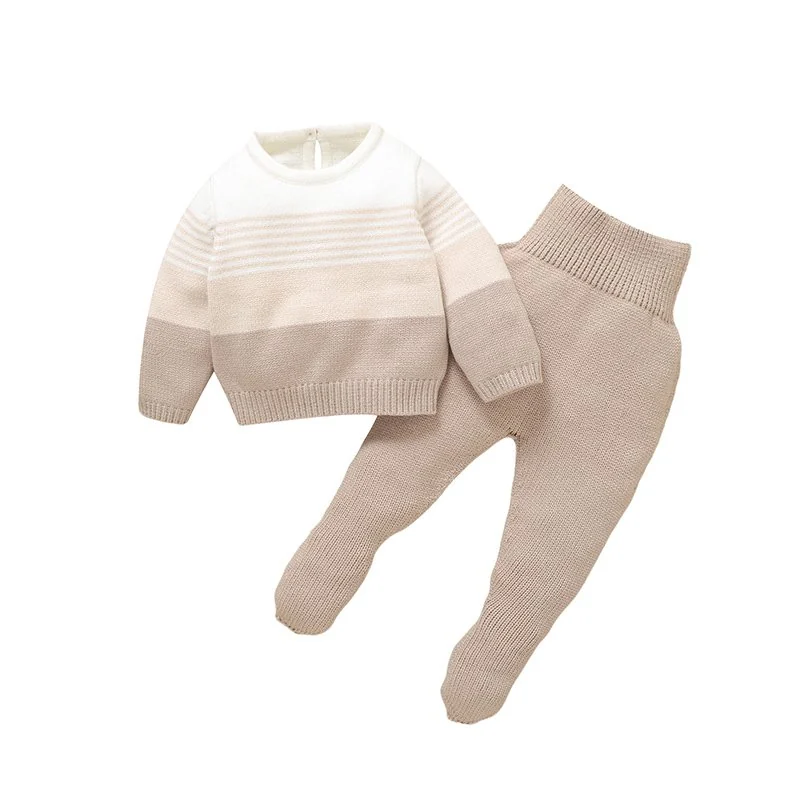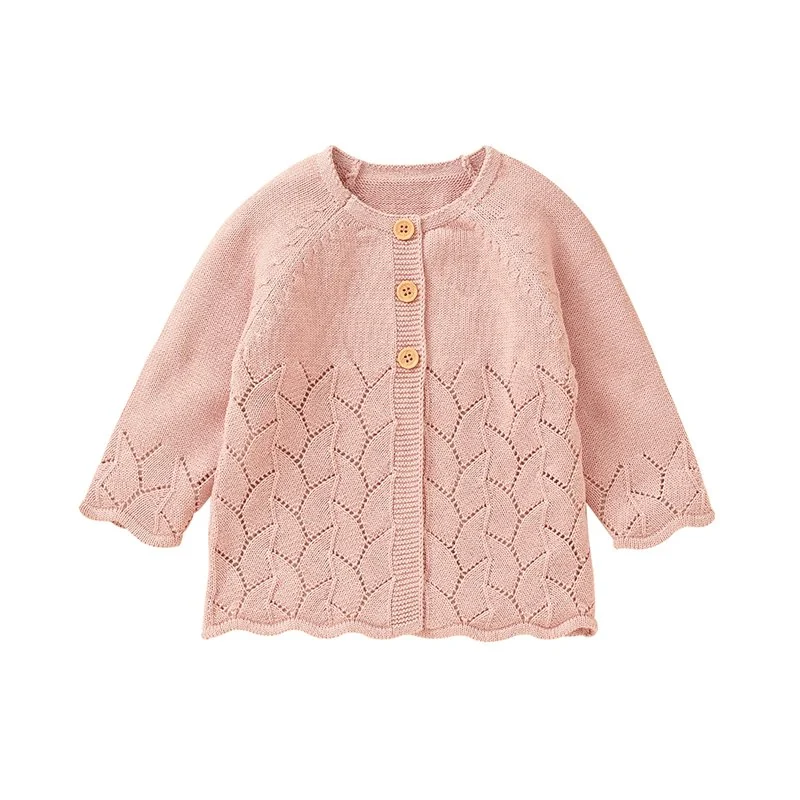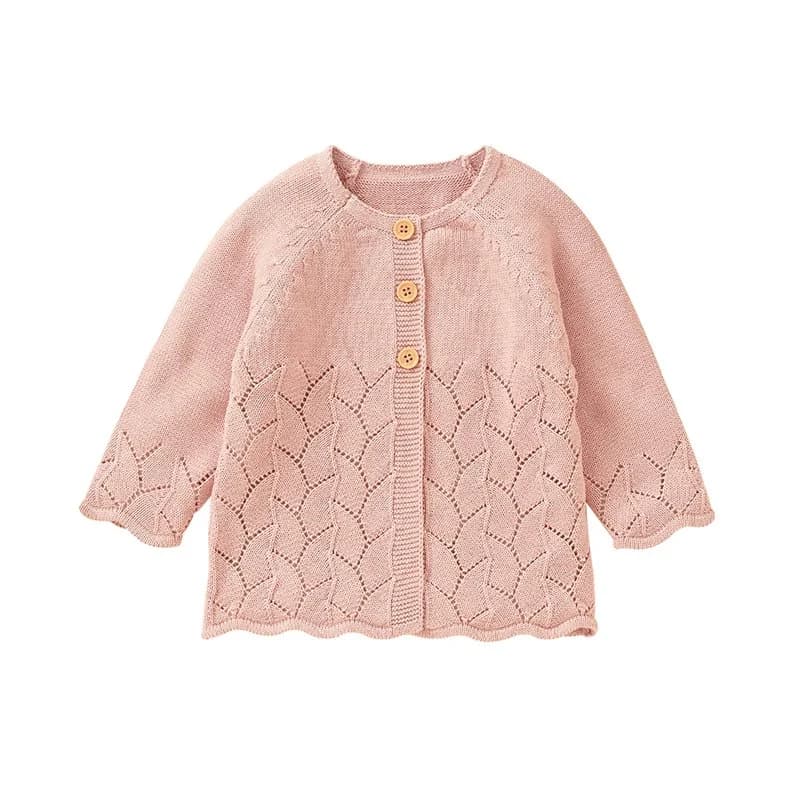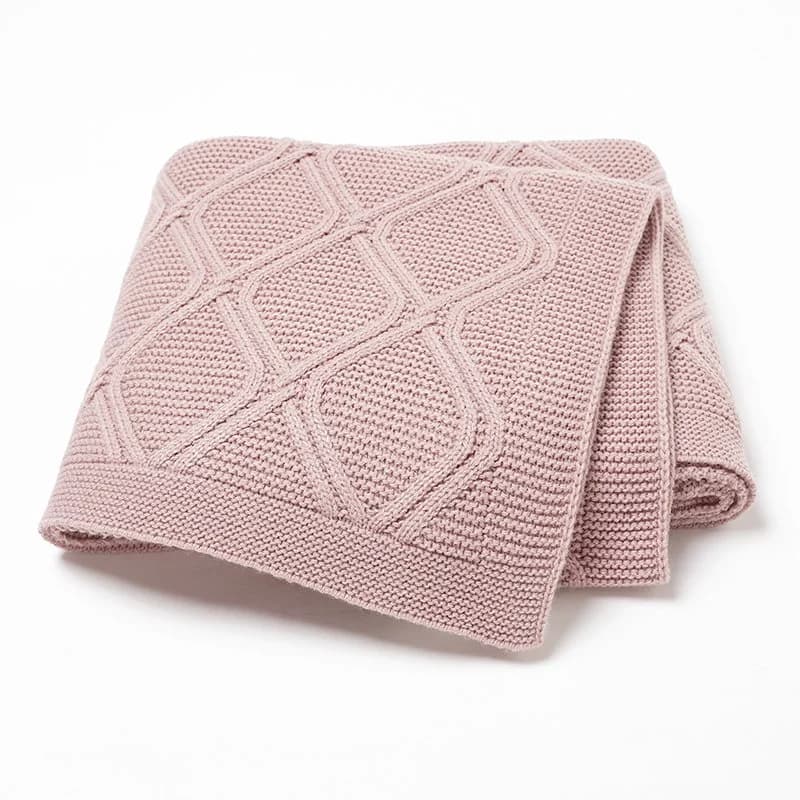
Prepare the reference before reviewing the sample
Gather the product reference, quoted composition, measurement chart, color reference and any label or packaging brief. Identify the sample version and the questions you expect it to answer. Photograph the item before handling it extensively and record when it arrived. If a specification is missing, mark that point unresolved. A checklist helps organize observations, but it does not establish an agreed standard where the buyer and supplier have not yet defined one.
Look at the knit and seams on both sides
Review the front, back and inside under consistent lighting. Note visible pulled loops, uneven areas, open joins or loose ends, and photograph their location. Compare the sample with the construction details in your brief rather than declaring every visible texture a defect. Some patterns intentionally vary. Ask the supplier to explain anything uncertain and record its response. Keep observations specific enough that another person can locate the same detail on the sample.
Review closures, trims and openings
Identify each fastening or trim and compare its position, appearance and operation with the agreed sample brief. Record an opening that does not operate as expected or a part that differs from the reference. Do not improvise force tests or treat a hand inspection as evidence of product safety or compliance. Ask which product-specific checks and supporting documents are appropriate for the intended market, and arrange qualified review where the order requires it.
Measure against the agreed chart
Use the defined measurement points, units and handling method. Record the actual result beside the target and agreed tolerance, rather than keeping only a pass or fail note. Ask for clarification where the chart is ambiguous. For color, compare the physical references using consistent conditions and identify the reference used. A screen image or color name is useful for discussion but does not resolve a disagreement about the actual yarn shade.
Record revisions and a clear approval version
Number the observations, describe the requested response and distinguish an agreed change from a question still under discussion. Ask whether a revised sample, photograph or updated specification will be provided. Keep the approval tied to a named sample and document version. If yarn, fasteners, labels or construction change later, ask for the difference to be identified and reviewed. An earlier approval should not silently become approval of an altered product.
Define the bulk-order review separately
Before production, agree who will inspect, what will be checked, when results will be available and how issues will be resolved. A review of one development sample does not prove the condition of a shipment. Keep bulk inspection arrangements in the order terms and connect them to the approved specification. Mimixiong reference photos support shortlisting; current material details, sample terms and any inspection arrangements must be confirmed for the exact order you intend to place.
Your enquiry checklist
- Identify the sample and specification versions.
- Photograph the front, back, inside and specific observations.
- Record actual measurements beside agreed targets and tolerances.
- Resolve revisions and define bulk inspection arrangements.
Explore the next little step
Explore baby clothing referencesExplore knitted bootiesPrepare a sample enquiryFROM READING TO YOUR NEXT COLLECTION
Bring your questions. We’ll start there.
Include your reference styles, size and color quantities, and delivery destination. Prices, minimums, samples and timing are confirmed for your specific enquiry.
Prepare an enquiry